
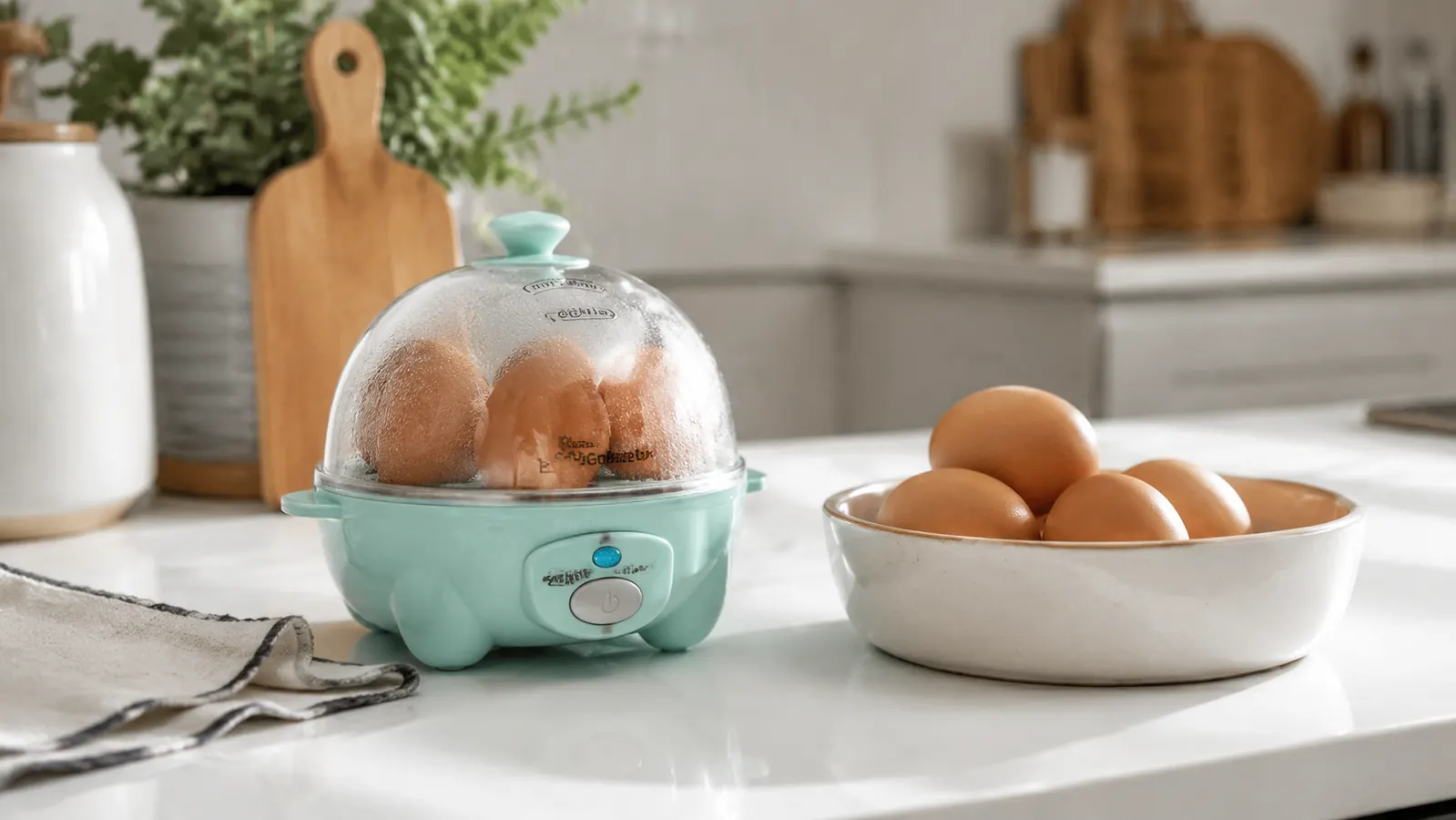
Here is the honest answer before we go any further: the Dash Rapid Egg Cooker beats stovetop boiling for most people's everyday use. Not because stovetop boiling is complicated, but because it requires more attention than a task this simple deserves. I spent thirty-five years doing it the old way, pot of water, timer running, guessing whether the center was set or not, fighting shells that took half the white with them. Then I put the Dash on my counter and stopped guessing.
That said, stovetop still makes sense in a few situations. If you are cooking more than seven eggs at once, if you already have a pot of water going for something else, or if you just plain prefer keeping counters clear of appliances, stovetop is not wrong. This comparison will lay out where each method wins, where it falls short, and which one belongs in your kitchen.
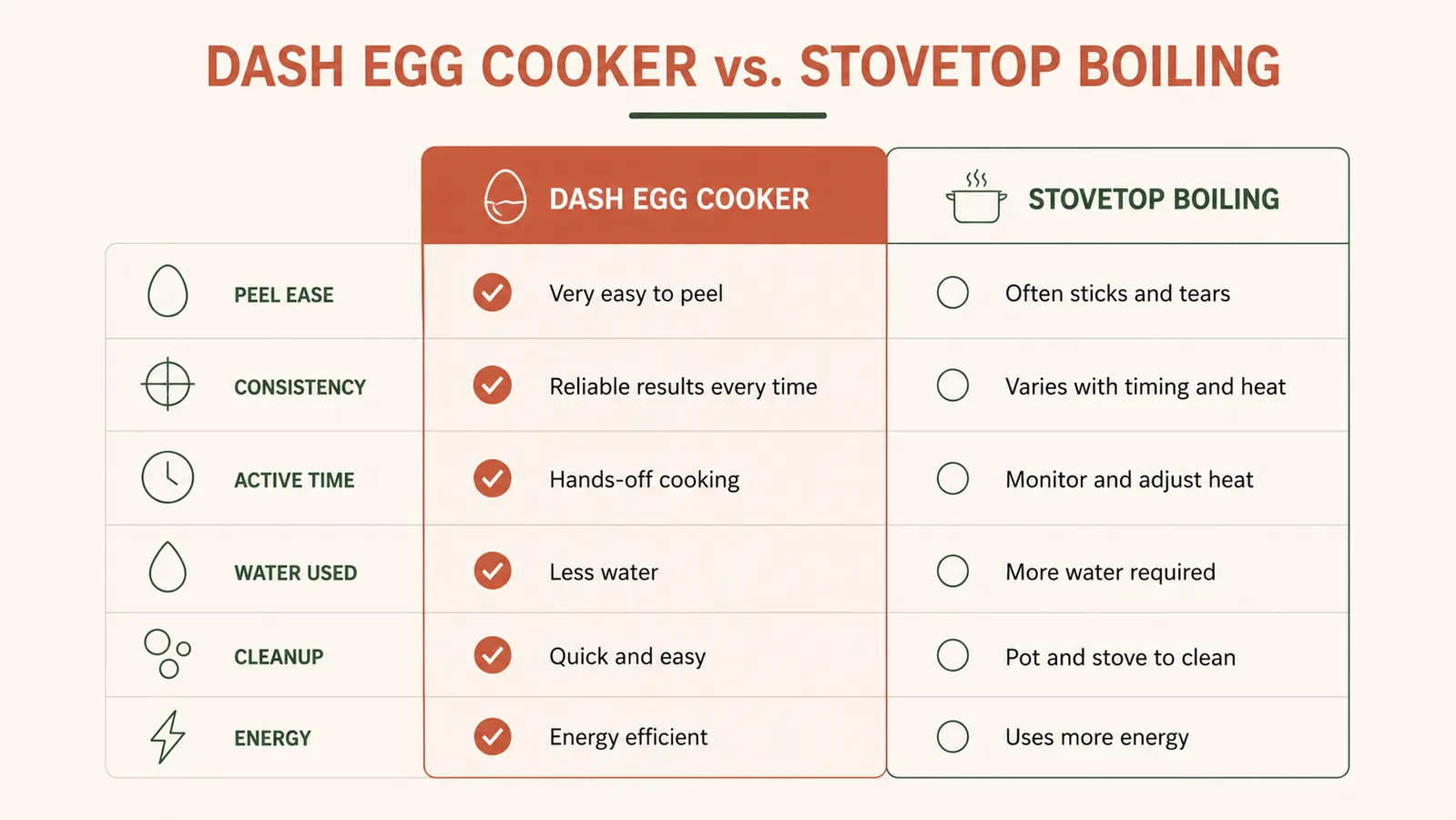
| Category | Dash Rapid Egg Cooker | Stovetop Boiling |
|---|---|---|
| Price to start | Around current price on Amazon | Free if you own a pot |
| Active time required | Under 2 minutes (fill, load, press) | 8-12 minutes of monitoring |
| Hard-boiled consistency | Highly repeatable batch to batch | Variable depending on heat, start temp, timing |
| Peel-ability | Very easy, shells come off clean | Inconsistent, often tears the white |
| Max capacity | 7 eggs at once | Limited only by pot size |
| Water used | A few tablespoons (measuring cup included) | 4-6 cups per batch |
| Cleanup | Rinse tray, wipe lid | Drain pot, dry pot, clean egg residue |
| Counter space needed | Roughly the size of a grapefruit | Zero (uses existing pot) |
| Works for poached and steamed | Yes, included trays | Poaching yes, steaming needs separate setup |
Where the Dash Egg Cooker Wins
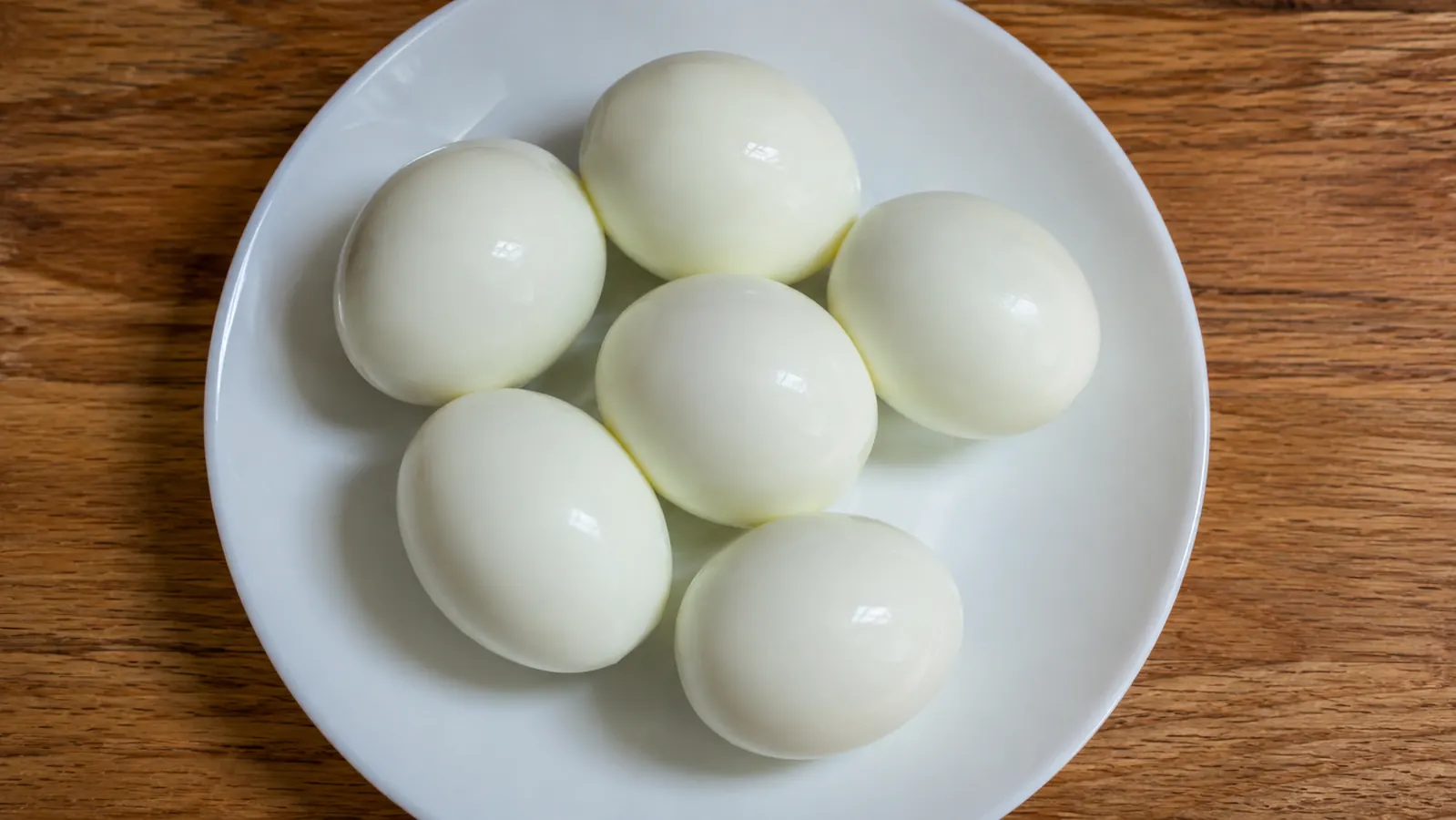
The biggest win is peel-ability, and this one surprised me. I had been doing the ice bath trick for years on stovetop eggs and still getting whites that looked like they had been through a cheese grater. The Dash uses steam instead of a full rolling boil, and that steaming process does something to the membrane between the egg white and the shell that makes it slip off cleanly almost every time. I have run probably three hundred eggs through this machine in the past year. I can count the badly peeled ones on one hand.
Consistency is the second win. On the stovetop, you are juggling variables: how hot your burner runs, whether you started with cold or room-temperature eggs, how hard the water is boiling, how precise your timer is. The Dash removes all of that. You fill the measuring cup to the marked line for your preferred doneness, pour it in, load the eggs, close the lid, and press the button. The machine uses all the water up as steam and then beeps. Done. My soft-boiled eggs come out the same on Tuesday as they did last Thursday. That kind of repeatability is what made me stop using the pot.
Active time is the third win, and it is the one I appreciate most on busy mornings. With the stovetop, someone has to be in the kitchen watching, adjusting, and timing. With the Dash, you press the button and go make coffee, pack a lunch, or do something else. The machine tells you when it is finished. For a task as simple as boiling eggs, that hands-off behavior matters more than people expect until they have it.
If your hard-boiled eggs have been coming out rubbery or impossible to peel, this is why
The Dash Rapid Egg Cooker uses precise steam measurement instead of guesswork. Over 136,000 Amazon reviews, rated 4.6 out of 5 stars. Check today's price below.
Amazon Check Today's Price on Amazon →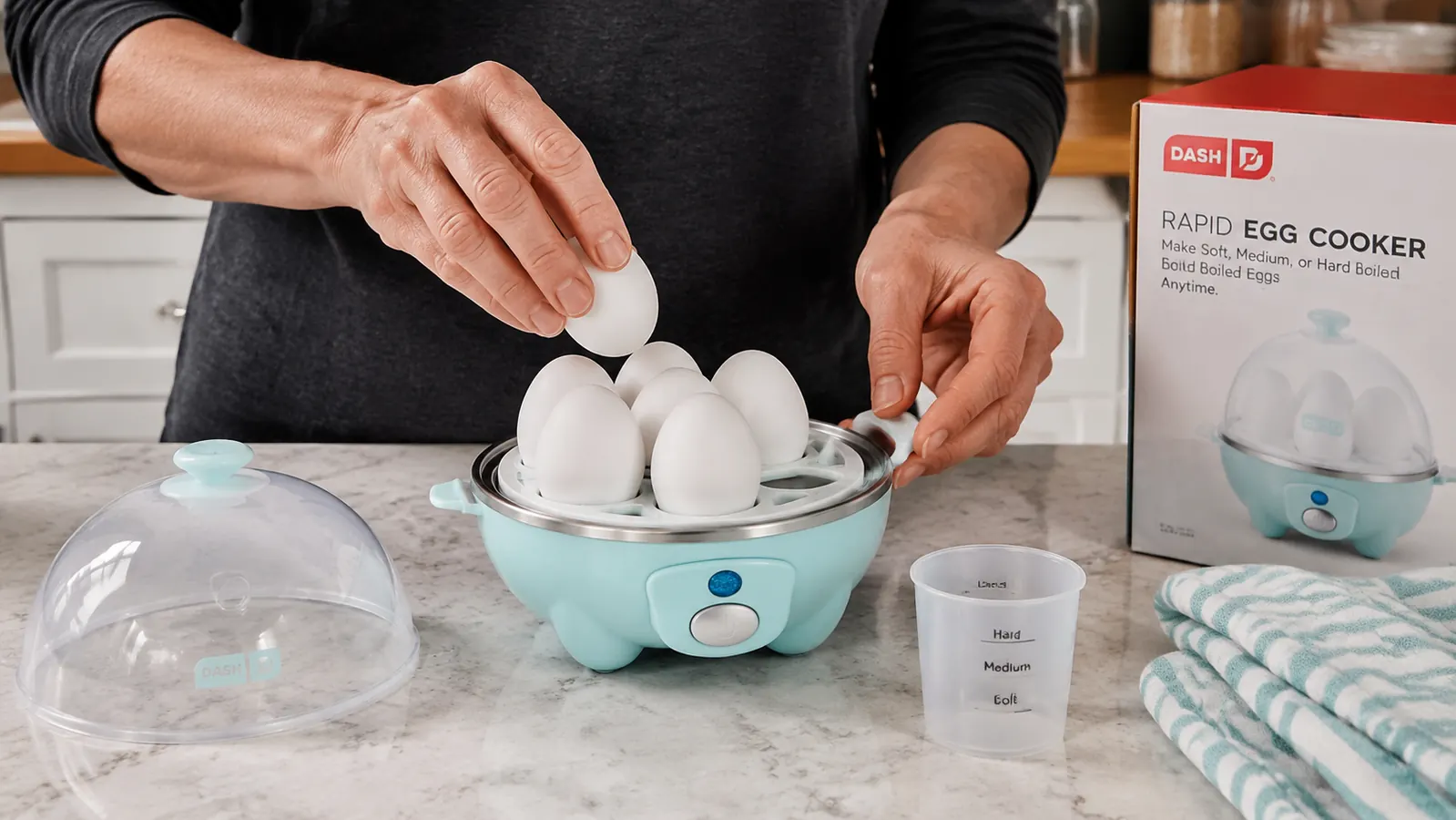
Where Stovetop Still Holds Its Own
Capacity is the clearest case for stovetop. The Dash holds seven eggs. If you are making deviled eggs for a party or hard-boiling a dozen for a week of meal prep, you either run two Dash cycles back to back or you reach for the pot. Two cycles is not a hardship, but it does take more time than a single large pot. If you regularly need more than seven eggs at once, that limitation is worth knowing before you buy.
Cost to start is the other honest point. If you have a pot and a stove, stovetop boiling costs you nothing today. The Dash is not expensive, but it is not free either. For someone who rarely eats eggs, or who only hard-boils them a few times a year, the investment may not pencil out. If eggs are a daily habit or a weekly meal prep staple, it pencils out quickly. If they are occasional, stovetop is perfectly fine.
Three hundred eggs through this machine and I can count the badly peeled ones on one hand. That is not luck. That is what steam does to the membrane.
The Peel-Ability Question Explained
Most people assume that an egg is an egg and the peeling trouble comes from technique. I thought the same thing for decades. The real culprit is the cooking method. When you submerge an egg in boiling water, the white cooks from the outside in while the membrane between the white and shell tightens and bonds. That bond is what tears the white when you peel. Steam cooking heats the egg more evenly and at a slightly lower effective surface temperature, which relaxes that membrane rather than fusing it to the shell.
There is a stovetop workaround: older eggs peel better than fresh ones because the pH of the white changes over time and reduces membrane adhesion. So if you are buying eggs and leaving them in the fridge for a week before boiling, stovetop results improve noticeably. The Dash makes fresh eggs peel almost as well as week-old stovetop eggs. If you eat eggs fast or buy them fresh from a local source, that difference becomes the entire argument for the gadget.
Soft, Medium, and Hard: Does the Dash Handle All Three?
Yes, and this is a point worth covering because a lot of people assume these single-purpose gadgets only do one thing well. The measuring cup that comes with the Dash has fill lines labeled soft, medium, and hard. Less water means less steam time and a softer yolk. More water means a firmer set all the way through. I use the soft setting for my wife's jammy yolk eggs and the hard setting for my weekly batch. Both come out right, every time.
The Dash also comes with a poaching tray and a tray for steamed eggs (scrambled and cooked in individual cups). I use the poaching tray about twice a week for weekend eggs benedict. Poached eggs on the stovetop require a narrow temperature window, a splash of vinegar, and practice. The Dash poaching tray just requires placing the eggs in the cups and letting the steam do the work. They come out tidy, not the wild flyaway poached eggs you get in a swirling water bath. If you have ever given up on stovetop poaching, this alone may be worth the price.
Cleanup and Maintenance
This is where the Dash wins decisively in everyday kitchen reality. After a stovetop batch, you drain the pot, let it cool, sometimes scrub out a white ring of mineral deposits, and put it away wet or dry it first. After a Dash batch, you rinse the tray under the faucet, wipe the lid dry, and put the lid back on. The whole thing takes forty-five seconds. If you have hard water, you will get mineral buildup on the bottom of the cooker over time. A few drops of white vinegar and a brief soak clear it right out. I do it about once a month and it takes three minutes.
The tray and the lid are not dishwasher-safe according to the manual, but they are simple enough to rinse by hand that it never feels like a burden. The base unit obviously stays off the water entirely. In a year of daily use, the only maintenance I have done is that monthly vinegar descale.
Who Should Buy Which
Buy the Dash if you eat eggs more than three times a week, if you have ever cursed at a hard-boiled egg that tore apart during peeling, if you want poached eggs without the stovetop skill requirement, or if you just want one less thing to babysit in the morning. It earns its small footprint. It does its job with no fuss and no learning curve. At a budget price point, it is one of the better cost-per-use kitchen tools I have bought in the past five years.
Stick with stovetop if you rarely eat eggs, if you regularly need more than seven at a time and do not want to run two cycles, or if your counter is genuinely too crowded and you are not willing to part with anything else. There is no shame in the pot. It works. But if you eat eggs regularly and you have been struggling with timing or peeling, the Dash will solve both problems on the first use.
Stop losing half the white every time you peel a hard-boiled egg
The Dash Rapid Egg Cooker holds 7 eggs, handles soft through hard doneness, poaches, and steams. Rated 4.6 stars across 136,000+ reviews. BPA-free and dishwasher-safe tray. Check today's price on Amazon.
Amazon Check Today's Price on Amazon →