

Last October my wife came home with a bag of zucchini from the farmers market and an idea about cutting carbs. She wanted zucchini noodles. I was skeptical. I had tried one of those cheap single-blade spiralizers years back, the kind that wobbles across the counter and shreds the vegetable instead of slicing it cleanly. The Fullstar 4-in-1 Spiralizer was sitting in the Amazon cart for about two weeks before I finally pulled the trigger at a modest price point. That was eight months and probably forty batches of zoodles ago. This is what I found.
The Fullstar spiralizer has 30,789 reviews on Amazon and sits at a 4.1 rating. That middle-of-the-road number is actually informative. It is not a five-star tool. It is a solid, workhorse spiralizer that does the job most home cooks actually need it to do, with a few real limitations worth knowing before you buy. I am going to tell you what held up, what did not, and who this thing is really made for.
The Quick Verdict
A genuinely useful kitchen tool at a budget price that earns its drawer space if you spiralize weekly, though one blade disappoints and cleanup requires patience.
Amazon Check Today's Price →If you make zoodles more than twice a week, the math works out in about a month.
The Fullstar 4-in-1 comes with all four blades, a blade caddy, and suction cup feet that actually hold. Budget-friendly at the current price. Worth checking what it is running before the price shifts.
Amazon Check Today's Price on Amazon →How I've Used It
We cook zucchini noodles two to three nights a week from May through September when zucchini is cheap and abundant at the market. During the winter months I dropped to once a week, mostly using it on butternut squash and sweet potato. In total I would estimate forty to fifty spiralizing sessions over eight months, with zucchini accounting for about seventy percent of the volume. The rest split between yellow squash, beets, sweet potato, and one memorable attempt at a cucumber salad that worked better than I expected.
My kitchen counter is butcher block. The suction cup feet on the Fullstar grip wood well. They grip tile and laminate even better. On unfinished or very rough wood they slip a bit, but that is a surface issue, not a design flaw. I always set the spiralizer on a damp cloth on the rougher end of my counter and have not had a stability problem since.
I use Blade A (the thin spaghetti-style noodle blade) about eighty percent of the time. It produces a clean, uniform noodle from an average-sized zucchini in about ninety seconds. The handle has enough length that the torque is manageable even for a firmer vegetable like a raw sweet potato, though you do have to lean into it a bit. I am 58 years old with some wrist arthritis and I have not found the turning motion to be a problem.
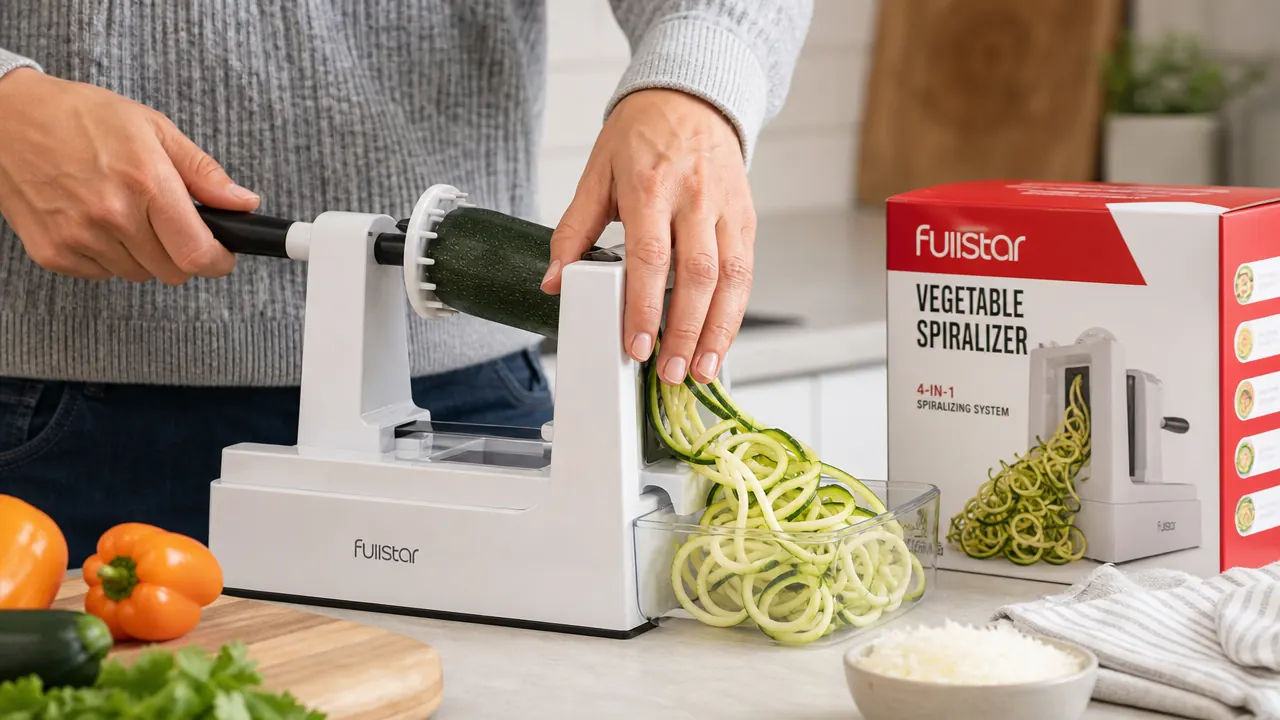
Blade Performance After 8 Months
Four blades come with the Fullstar: Blade A (thin spaghetti noodle, 3mm), Blade B (fettuccine ribbon, 6mm), Blade C (thick noodle, 6mm solid), and Blade D (the straight-across thin slice for chips and coins). After eight months of weekly use, here is my honest read on each one.
Blade A held up the best. Still sharp, still produces a clean noodle with no tearing or fraying on fresh zucchini. I have not noticed any degradation in the cut since the first use. Blade B is fine, though I use it less often. It makes a wider, flatter ribbon that works well with butternut squash as a pasta stand-in. Still cutting cleanly. Blade C I rarely use and it still looks new.
Blade D is the disappointment. The straight-slice blade is supposed to make thin vegetable coins or chips. In practice it binds on anything firmer than a cucumber. Sweet potato jams it. Even a medium zucchini with a slightly off-center core can cause the vegetable to split rather than slice. After eight months I have stopped bothering with Blade D and written it off as a bonus feature that does not quite deliver. If you are buying this specifically for the slicing function, look elsewhere.
Blade D is the one I stopped using after week three. The spaghetti blade, though, still cuts as clean as the day I opened the box.
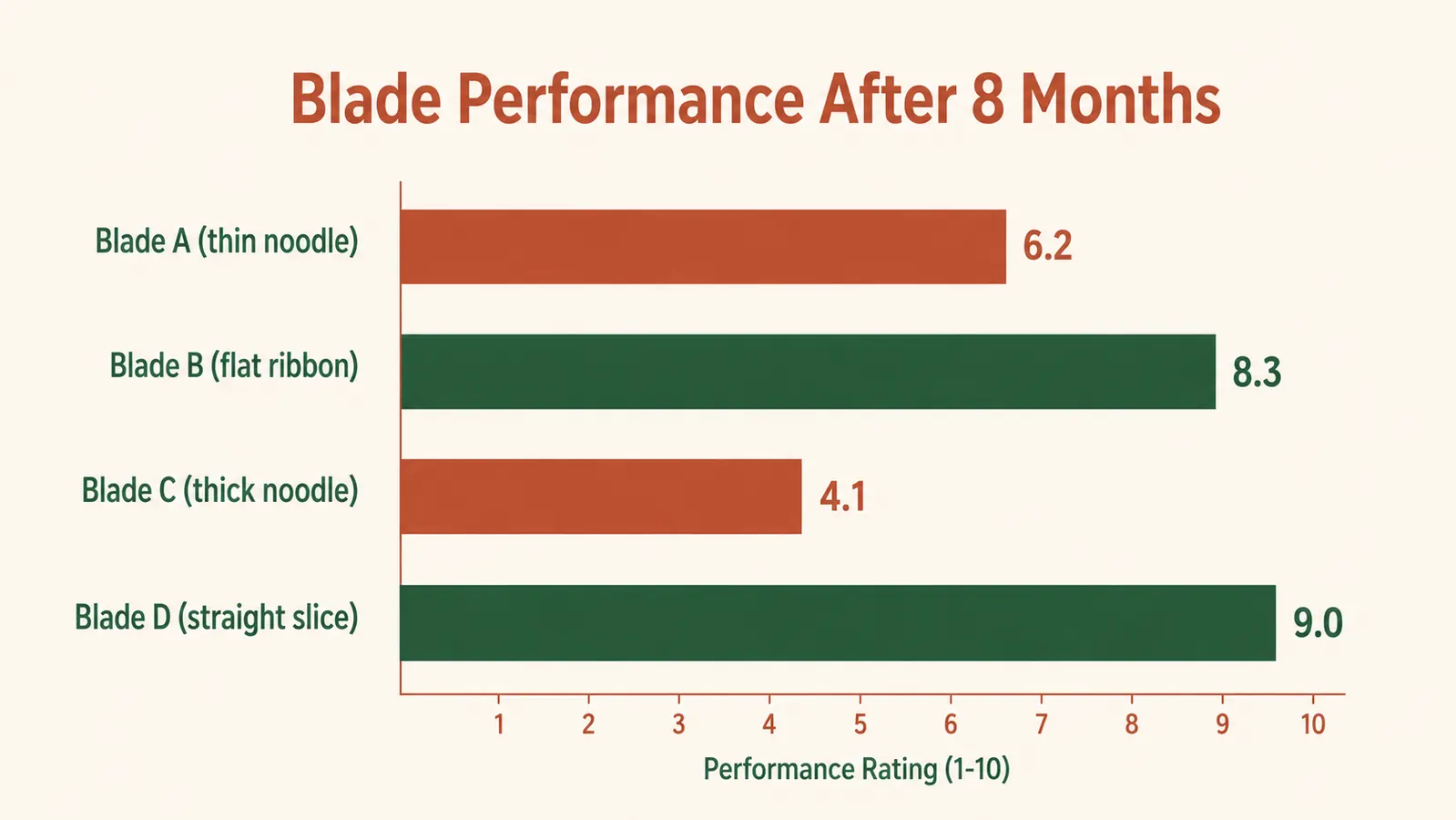
Stability and Build Quality
The body is ABS plastic, which is fine for what it is. It feels solid enough that I am not worried about it cracking if it falls off the counter, and it has survived one counter edge bump without any damage. The suction cups are the real engineering win on this tool. Four of them, big enough to actually grip, and they do not creep during use the way lesser spiralizers do. If you have ever tried to use a spiralizer that walks across the counter while you are trying to turn a zucchini, you know what a difference stable footing makes.
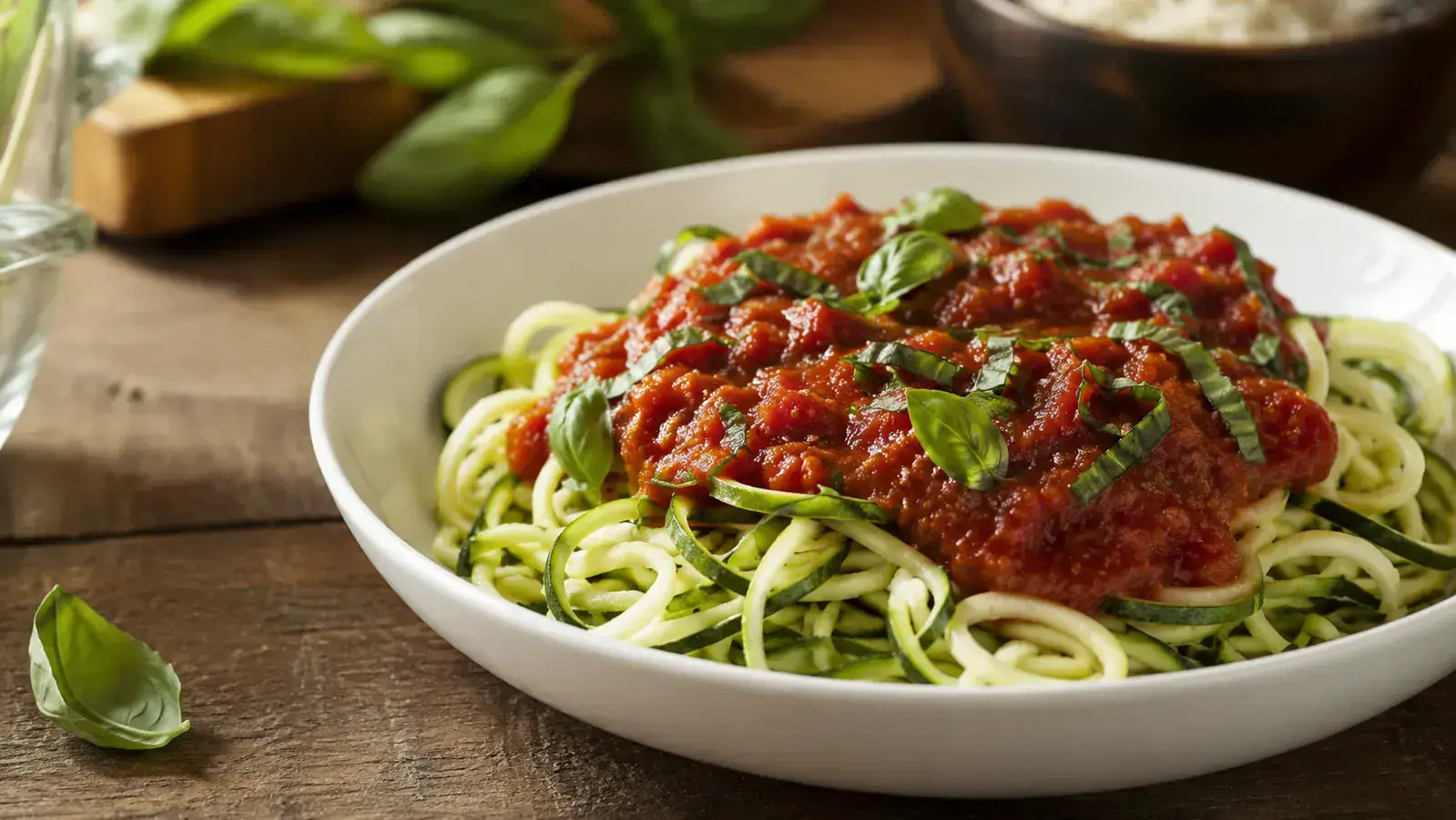
The blade caddy is a nice touch for a tool at this price. All four blades nest in a plastic tray that keeps the sharp edges protected. I keep the whole assembly in a drawer and the caddy means nobody reaches in and nicks a finger. That said, the caddy plastic feels cheaper than the main unit and I have noticed a small hairline crack on one corner. It still functions, but it is not built to last a decade.
The Cleanup Situation
This is where the Fullstar is the most honest about being a budget tool. Cleanup takes longer than I would like. The zucchini strands get pushed back into the blade teeth and they do not rinse out easily. You need a small brush, the kind that comes with a bottle brush set, to get the vegetable fibers out from between the blade tines. The Fullstar is technically dishwasher safe for the blades, but I hand wash mine because I do not trust a dishwasher to get between the blade teeth consistently and dull blades are the one thing that will kill this tool's usefulness.
Budget about five minutes for cleanup. If you do it right after spiralizing while everything is still wet, it goes faster. If you leave it on the counter for an hour while dinner cooks, the dried vegetable fiber in the blade teeth becomes a real project. Rinse it immediately. That is the one habit you need to build.
Compared to What You Are Probably Considering
The most common alternative in this price range is the OXO Good Grips 3-Blade spiralizer. I have used a neighbor's OXO and the blade quality is noticeably better on the OXO, with a crisper, more consistent noodle from the same zucchini. The OXO also wins on cleanup, the mechanism is simpler to disassemble. But the OXO runs about two and a half times the price of the Fullstar. For someone who spiralizes every night and is serious about the tool, the OXO is worth looking at. For a home cook making zoodles twice a week, the Fullstar closes most of the gap at a fraction of the price. I cover that head-to-head in detail in my Fullstar vs OXO Spiralizer comparison if you want the full breakdown.
Below the Fullstar in price you will find handheld pencil-style spiralizers and cheap tabletop units that lack suction cups. I have tried two of those. Neither is worth owning. The stability advantage the Fullstar provides over those tools is not even close.
What the Fullstar Changed About Weeknight Cooking
Before this tool, getting zucchini noodles into dinner required either buying pre-spiralized bags at the store (which wilt fast and cost more) or cutting zucchini into thin strips by hand (which takes real knife time and produces uneven results). The Fullstar compressed that to ninety seconds of active work. That is not a small thing when you are trying to get dinner on the table. I have written separately about the specific ways a spiralizer reshapes weeknight cooking if you want to see all the ways I have actually used it beyond zoodles.
My wife has also started using it for beet salads. Spiralized beets with goat cheese and walnuts became a regular side dish this past spring. Beets are dense and require more turning effort than zucchini, but the Fullstar handles them without complaint. The thin noodle blade on beets produces something that looks impressive at the table and takes about two minutes to prepare. That kind of versatility at this price point is genuinely useful.
What I Liked
- Suction cup feet grip almost any smooth counter surface and do not creep during use
- Blade A (thin spaghetti noodle) stayed sharp over eight months of weekly use
- Handles zucchini, squash, beets, sweet potato, and cucumber without issue
- Blade caddy keeps sharp edges protected in a drawer
- Budget-friendly, which is the right price point for a tool this specific
Where It Falls Short
- Blade D (straight slicer) jams on anything firmer than a cucumber and is essentially unusable on sweet potato
- Cleanup takes 4 to 5 minutes and requires a small brush to clear blade teeth
- Blade caddy plastic feels cheaper than the main unit and developed a hairline crack
- Long core pieces of vegetable get left behind as waste (unavoidable with any spiralizer)
Who This Is For
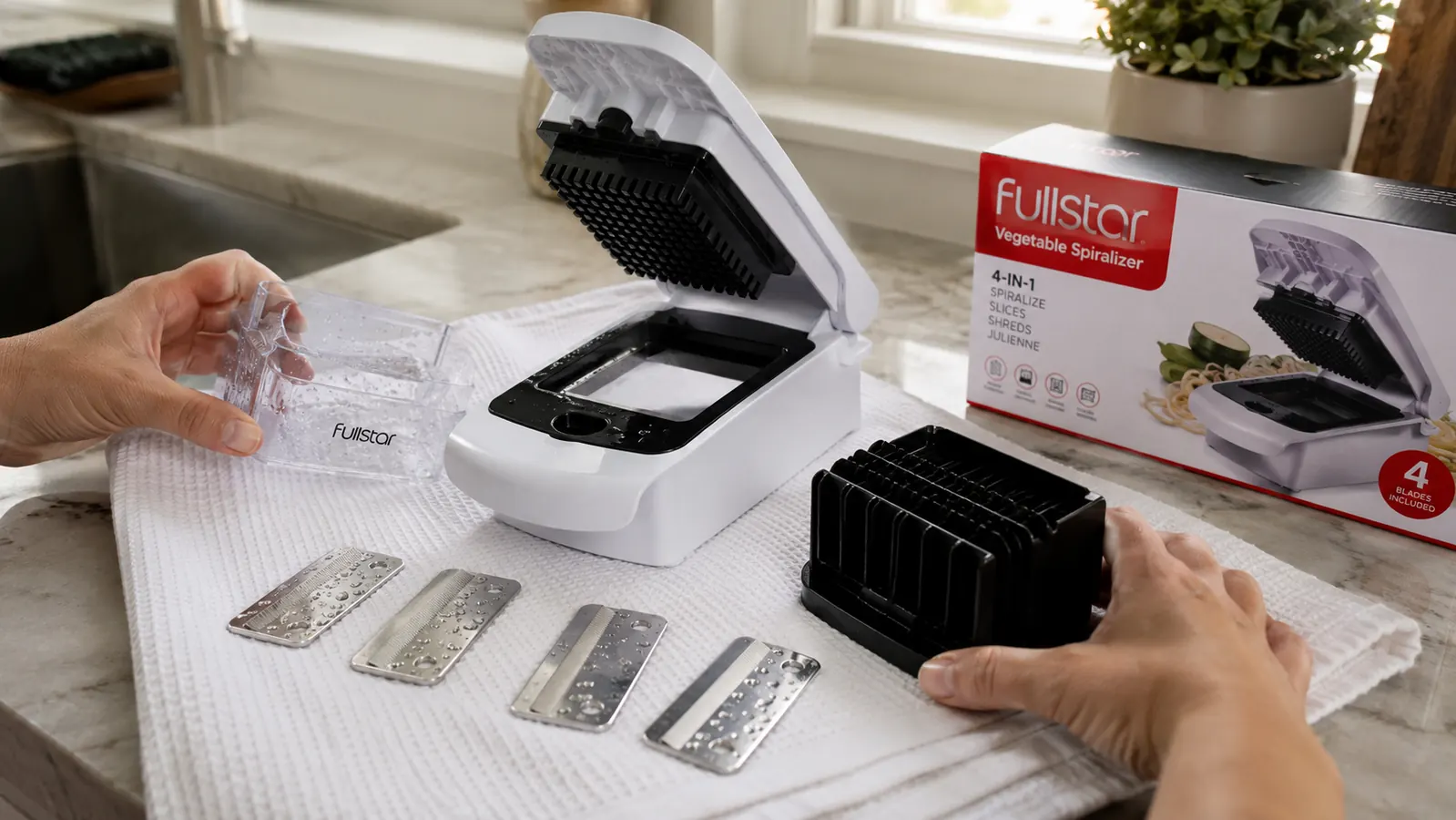
This spiralizer is the right buy for a home cook who wants to make zucchini noodles, squash ribbons, or beet salads on a regular basis without spending premium money on a specialty tool. If you are trying to eat fewer carbs and you want a quick way to swap pasta for vegetables two or three nights a week, the Fullstar does that job reliably. It is also a reasonable choice for anyone who is new to spiralizing and wants to try it before committing to a higher-end unit. Eight months in, I have no regret about the purchase. The main blade still cuts clean and the tool still comes out of the drawer twice a week.
Who Should Skip It
If your primary goal is the slicing blade for vegetable chips or thin coins, this is not your tool. Blade D is a real weak point and I would not buy the Fullstar specifically for that function. If you spiralize daily and care deeply about blade precision and cleanup speed, you will get frustrated with the cleaning process within a few weeks and eventually wish you had spent the extra money on an OXO or a countertop unit with a dedicated motorized drive. And if you have significant hand or wrist limitations that make the cranking motion difficult, a horizontal, lever-style spiralizer will be easier to operate.
Eight months in, the spaghetti blade still cuts clean and the suction cups still hold. That is about all you can ask for at this price.
If you are on the fence, check the current price and the latest reviews before you decide. Prices on kitchen tools like this shift, and the review count is now past 30,000 which gives you a real signal on durability.
Amazon Check Today's Price on Amazon →